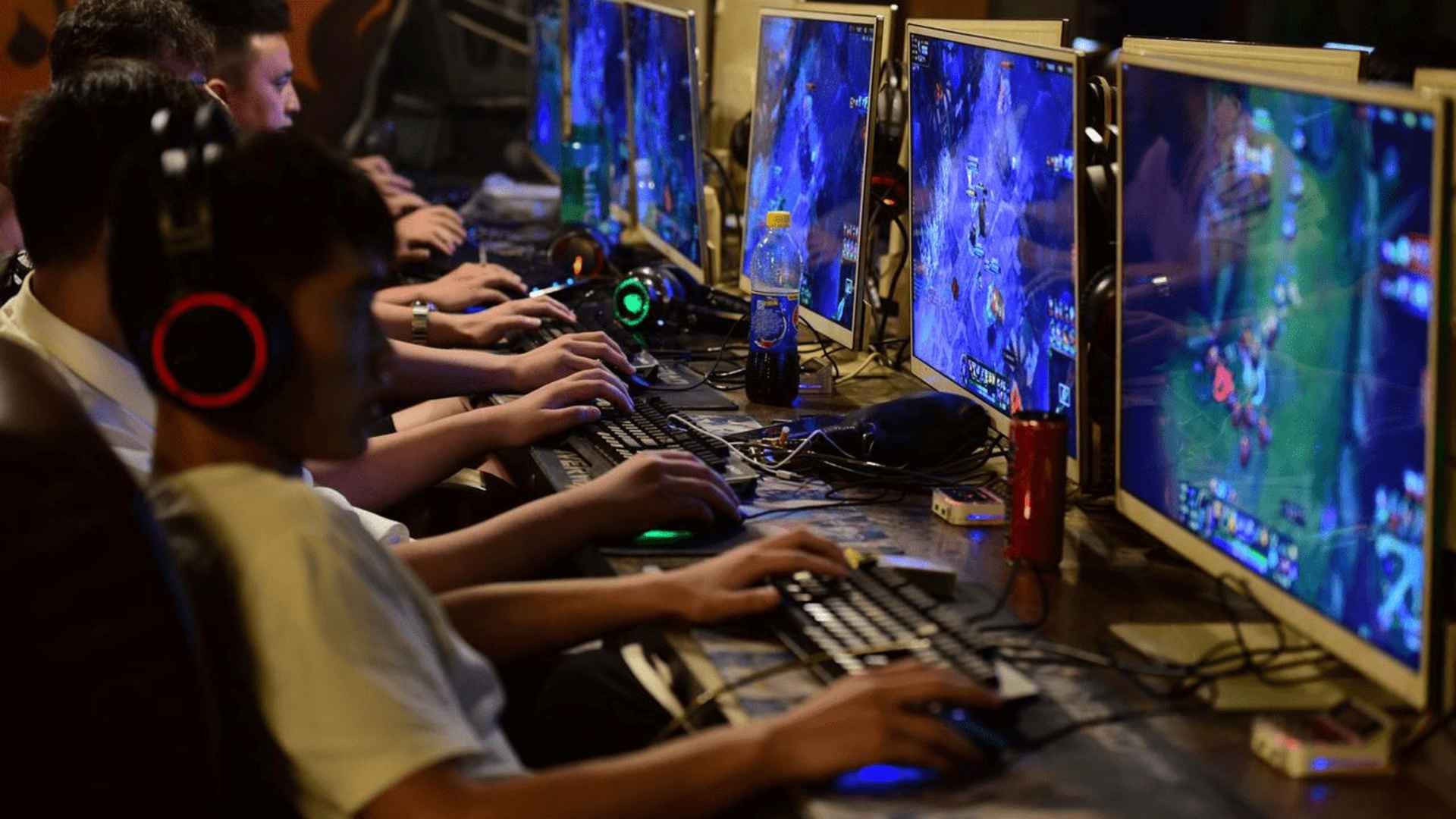
The concept of replayability has become a cornerstone of modern digital entertainment, transforming simple pastimes into enduring experiences that players return to for years. Unlike linear titles that offer a singular journey, high-replay value arcade games leverage dynamic mechanics and randomized elements to ensure no two sessions are ever identical.
The Evolution of Dynamic Arcade Mechanics
Modern developers have moved beyond static level designs to incorporate procedural generation, which creates unique environments and challenges every time a game starts. This unpredictability keeps the gameplay fresh and prevents the experience from becoming a repetitive chore for veteran players.
Furthermore, the integration of complex physics engines allows for emergent gameplay where player creativity can lead to unexpected solutions. These systems encourage experimentation and mastery, rewarding those who take the time to understand the deeper nuances of the game world.
By focusing on these core interactive elements, designers ensure that the foundational loop of the game remains engaging regardless of how many hours a user has already invested. This shift toward mechanical depth is what separates temporary hits from timeless classics in the digital space.
Skill Progression and Mastery Systems
A significant factor in why certain arcade games remain popular is the implementation of meaningful skill-based progression that respects the player's time. Instead of just increasing numerical stats, many top-tier titles introduce new mechanics and abilities that fundamentally change how the player interacts with the environment.
This sense of growth provides a powerful psychological incentive to keep playing as users strive to master difficult techniques and climb competitive leaderboards. Achieving a high rank becomes a badge of honor that reflects genuine improvement in reflexes and strategic thinking over long periods.
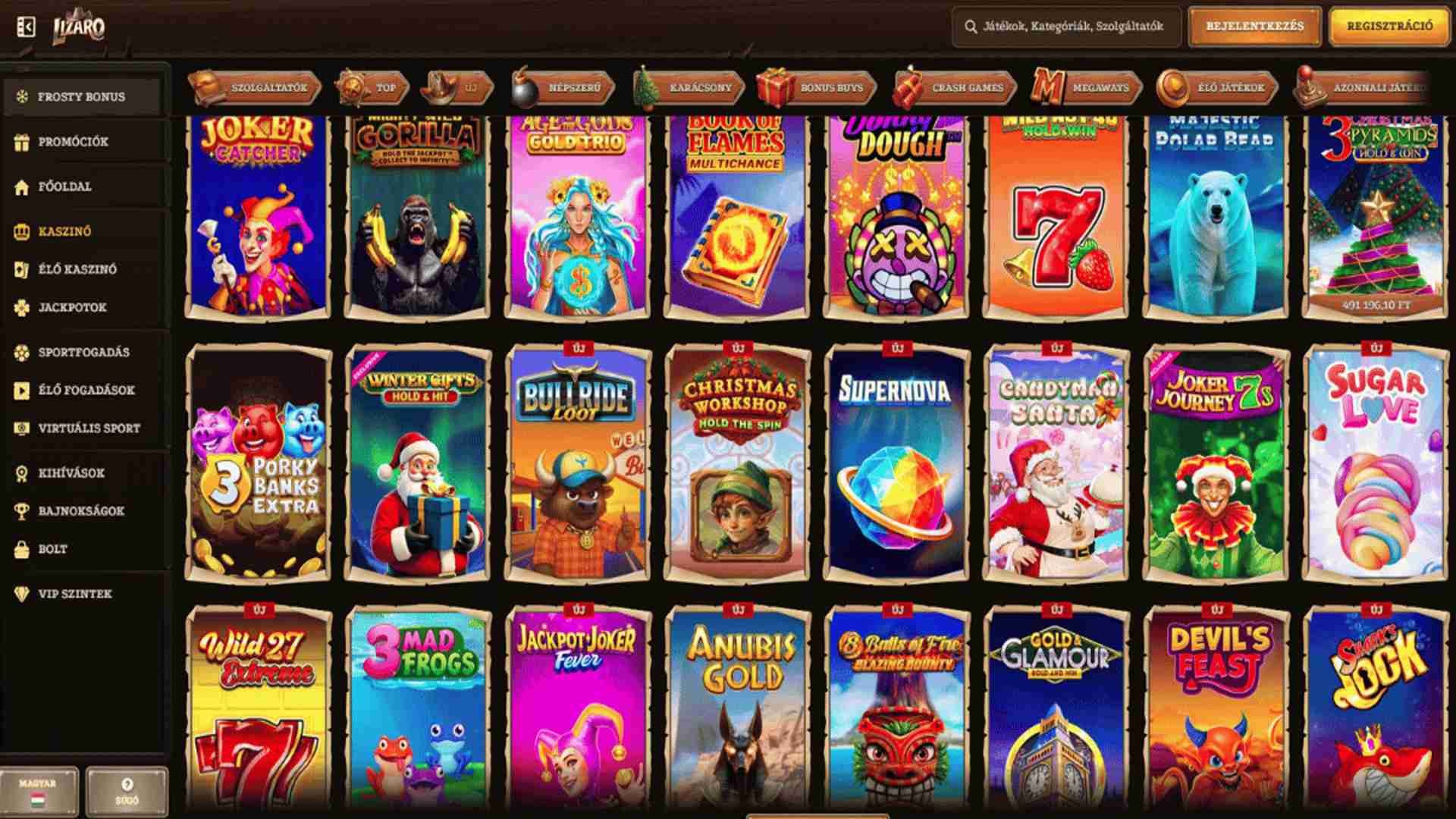
For enthusiasts looking to test their limits in diverse digital environments, exploring platforms like M88asia can provide access to high-quality titles that prioritize these rewarding progression systems. Such platforms often host games that balance accessibility for newcomers with extreme depth for professional-level competitors.
Social Connectivity and Competitive Longevity
The inclusion of social features and real-time multiplayer modes has drastically extended the lifespan of many online arcade games. Engaging with a global community adds a layer of unpredictability and competition that artificial intelligence simply cannot replicate consistently.
Whether it is through collaborative missions or head-to-head tournaments, the human element ensures that the social landscape is constantly evolving. These interactions foster a sense of belonging and community, making the act of playing feel like a shared event rather than a solitary activity.
Developers often support these communities with regular content updates and seasonal events that introduce new challenges and exclusive rewards. This continuous cycle of fresh content ensures that there is always something new to discover, maintaining a high level of excitement across the entire player base.
Balancing Difficulty for Endless Engagement
Successful arcade games often utilize adaptive difficulty algorithms that adjust the level of challenge based on the player's current performance. This ensures that the game stays within the flow state, where it is neither too easy to be boring nor too hard to be frustrating.
This balance is crucial for maintaining high replayability, as it allows players of all skill levels to find enjoyment and a sense of accomplishment. As the player improves, the game scales its complexity, providing a smooth curve of increasing engagement that keeps the adrenaline pumping.
Ultimately, the best online arcade games are those that understand the relationship between player input and meaningful feedback. When every action feels impactful and every failure offers a lesson, players are naturally inclined to press the start button one more time.