The modern landscape of tabletop entertainment has experienced a massive shift toward experiences that demand deep mental engagement and foresight. While many casual games rely heavily on the roll of a die or a lucky draw, strategic table games challenge players to outwit their opponents through structured decision-making. These games provide an engaging mental workout, requiring participants to analyze multiple scenarios and adapt their long-term strategies on the fly.
The Calculations of Classic Card Strategy
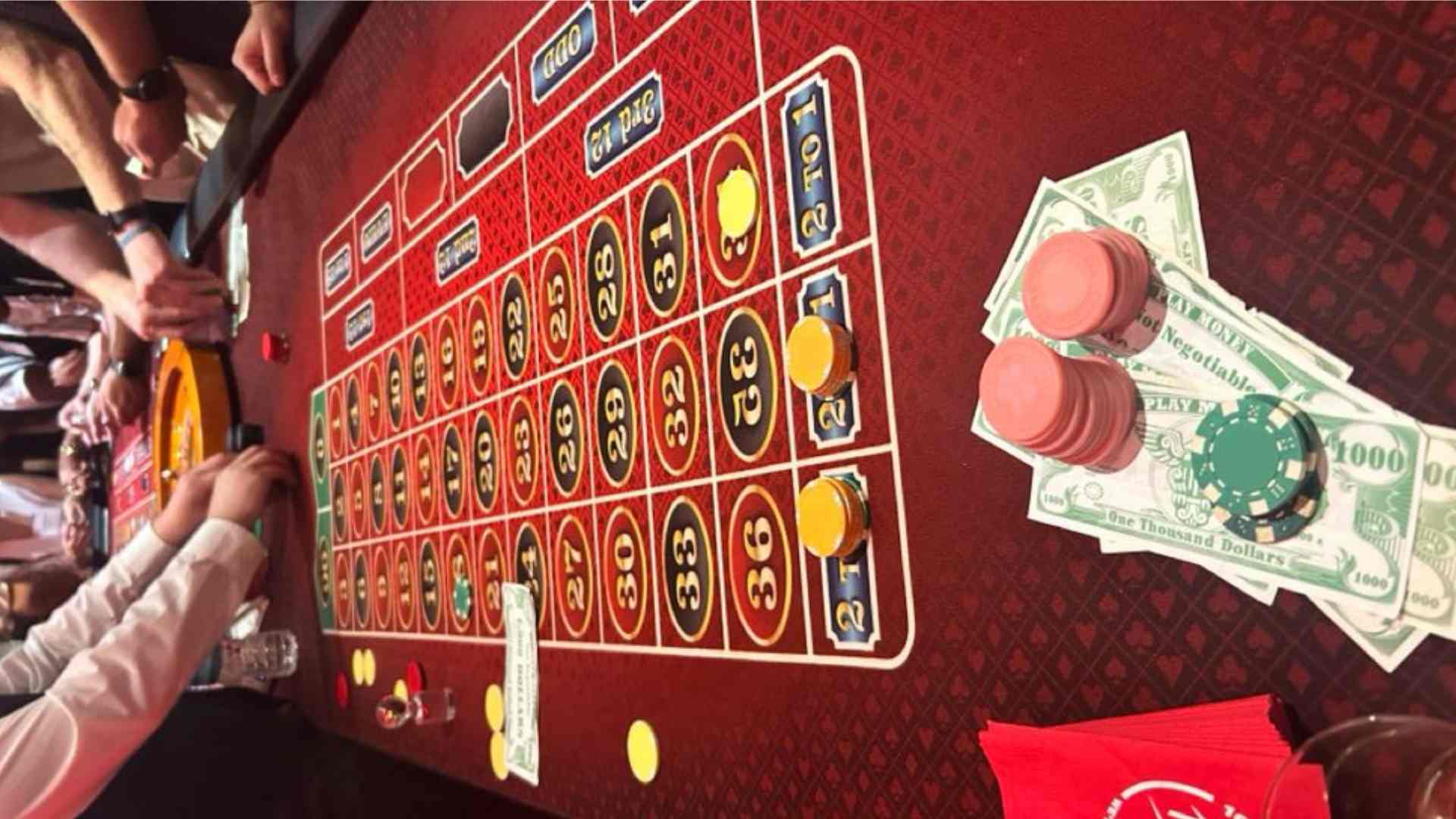
Classic card games remain a prime example of how statistical analysis and risk management come together on the table. In games like blackjack or poker, success is rarely a matter of luck but rather a sequence of calculated risks based on mathematical probabilities. Players must constantly evaluate visible cards, anticipate hidden hands, and manage their resources to minimize the house edge.
By understanding these mathematical foundations, players can systematically improve their outcomes and build confidence over time. For those seeking to sharpen their strategic skills on a trusted platform, visiting M88asia offers a great way to explore various tactical setups and practice under realistic conditions. Developing a structured approach in these environments naturally translates to better decision-making during high-stakes moments.
The Infinite Depth of Abstract Board Games
Abstract strategy games, such as Chess or Go, represent the purest form of tactical planning because they contain zero elements of hidden information. Every piece is completely visible on the board, leaving no room for lucky guesses or unexpected random variables. Success in these traditional matches depends entirely on a player's ability to visualize several moves ahead while simultaneously decoding the opponent's defensive layout.
Engaging regularly in these intellectual battles has been shown to improve spatial reasoning and strengthen overall cognitive flexibility. Players must learn to balance aggressive offensive maneuvers with a highly disciplined defense to prevent sudden counter-attacks. Over time, mastering these subtle board dynamics transforms casual players into formidable tacticians who appreciate the long-term beauty of the game.
Modern European Table Games and Resource Control
The rise of modern Euro-style board games has introduced a fresh layer of complexity centered around efficient resource management and engine-building. Unlike traditional elimination games, these titles focus on accumulating victory points through careful planning and economic optimization. Players must gather scarce resources, invest in long-term infrastructure, and adapt to changing board conditions before their rivals do.
These modern designs reward flexibility and forward-thinking, as a single sub-optimal turn can derail an entire game plan. Because player interaction is often subtle rather than directly aggressive, the focus remains on building the most efficient system possible. This unique style of play fosters a rewarding atmosphere where every participant can enjoy watching their tactical decisions bear fruit by the end of the session.