Managing multiple digital card tables simultaneously requires a highly structured interface to avoid costly operational mistakes. Modern desktop poker configurations rely heavily on built-in automation features to arrange, focus, and track active sessions smoothly. Understanding how these structural tools function allows serious enthusiasts to preserve their strategic focus during complex multi-table grinds.
The Core Benefits of Cascading and Tiling Layouts
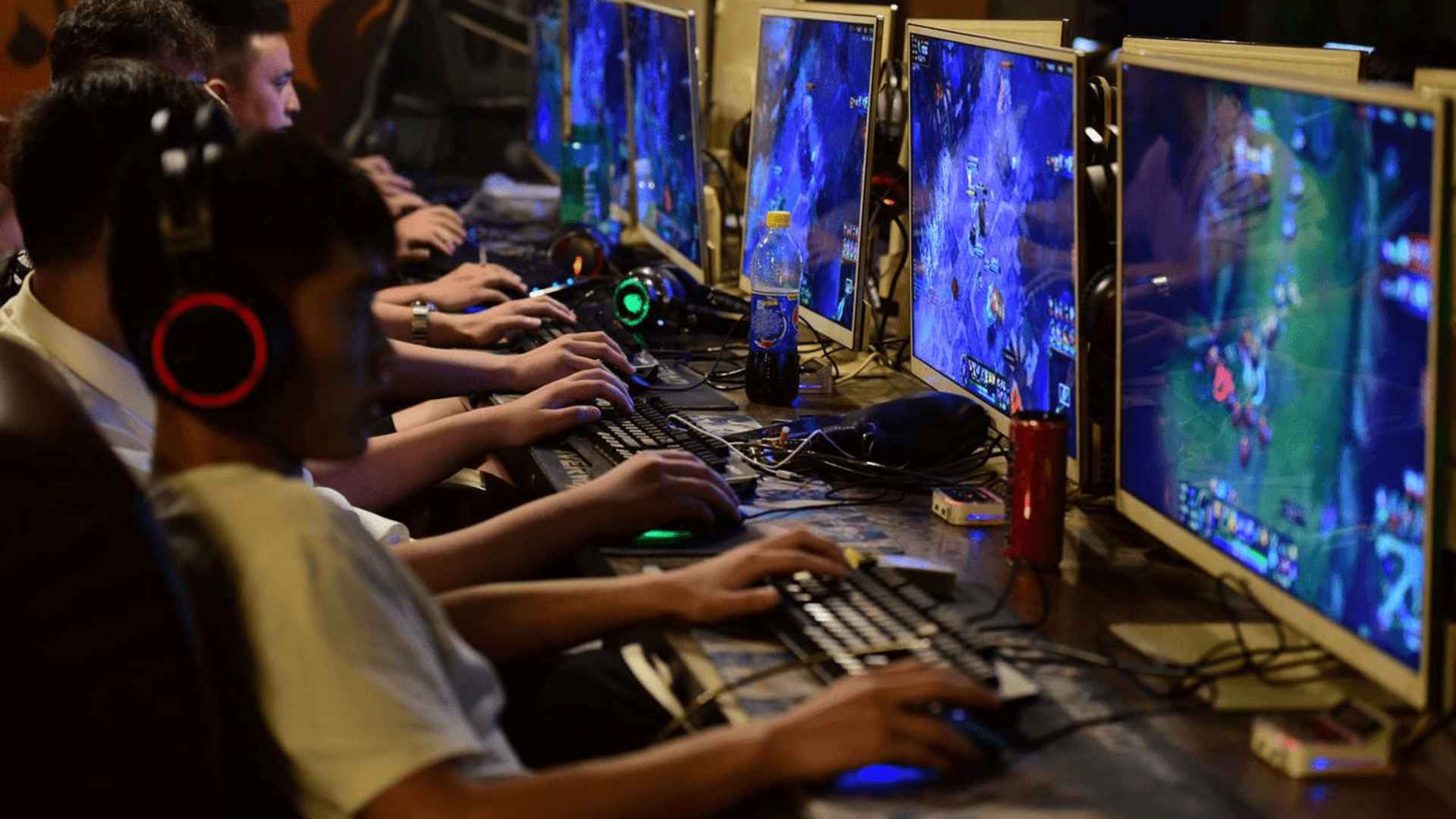
Most advanced poker clients offer built-in layout engines that instantly organize open windows into clean patterns across the display. Tiling frameworks distribute every game table equally across the screen area, ensuring that visual updates are immediately apparent to the player. Conversely, cascading methods stack active windows diagonally, which conserves screen space while highlighting the single table currently requiring input.
Using these automated positioning systems eliminates the need to manually resize windows during high-traffic tournament sessions. Choosing the right arrangement depends directly on hardware specifications and the total number of simultaneous games being monitored. Maintaining a predictable visual structure lowers mental fatigue and reduces the risk of accidental folds.
Optimizing Action Alerts and Focus Management
When dealing with rapid betting rounds, built-in alert mechanisms are essential for directing a user attention to critical decision windows. Premium applications implement subtle border flashing or distinct sound cues to isolate tables that require immediate tactical input. This targeted notification design ensures that competitive individuals can execute actions sequentially without losing track of their overall session pace.
Furthermore, advanced focus parameters automatically bring an active table to the foreground the exact moment a player turn begins. Integrating modern features like m88 m thể thao updates within broader sports platforms highlights the necessity for responsive, low-latency interface designs globally. Evaluating how a gaming client handles overlapping data flows helps players maintain continuous execution accuracy across distinct lobbies.
Customizable Hotkeys and Functional Shortcuts
Transitioning from manual mouse navigation to automated keyboard control is a common progression for multi-table enthusiasts. Built-in preference menus allow users to map essential actions, such as checking, folding, or raising specific amounts, to dedicated hotkeys. This ergonomic adaptation minimizes mechanical movement and allows participants to focus entirely on structural card strategies.
In addition to standard betting controls, software developers integrate specialized hotkeys to manage window layout adjustments instantly. Individuals can cycle through hidden windows or reset their tiled grid arrangements with a single keystroke during unexpected connection lag. These responsive shortcuts transform a crowded digital workspace into a highly efficient environment built for rapid decision-making.
Evaluating Software Resilience and Future Updates
Long-term usability depends heavily on how efficiently a client utilizes system resources under heavy data processing loads. Robust background engineering prevents sudden frame drops or layout freezes when managing multiple high-definition graphics feeds simultaneously. Choosing a platform built upon stable architecture shields a bankroll from technical friction and sudden disconnects.
Ultimately, consistent software maintenance ensures that performance optimizations adapt to modern operating system changes. Development teams regularly refine internal code to patch systemic vulnerabilities and streamline display scaling across variable monitor shapes. Relying on a platform backed by continuous support guarantees a comfortable and reliable environment for future strategic growth.