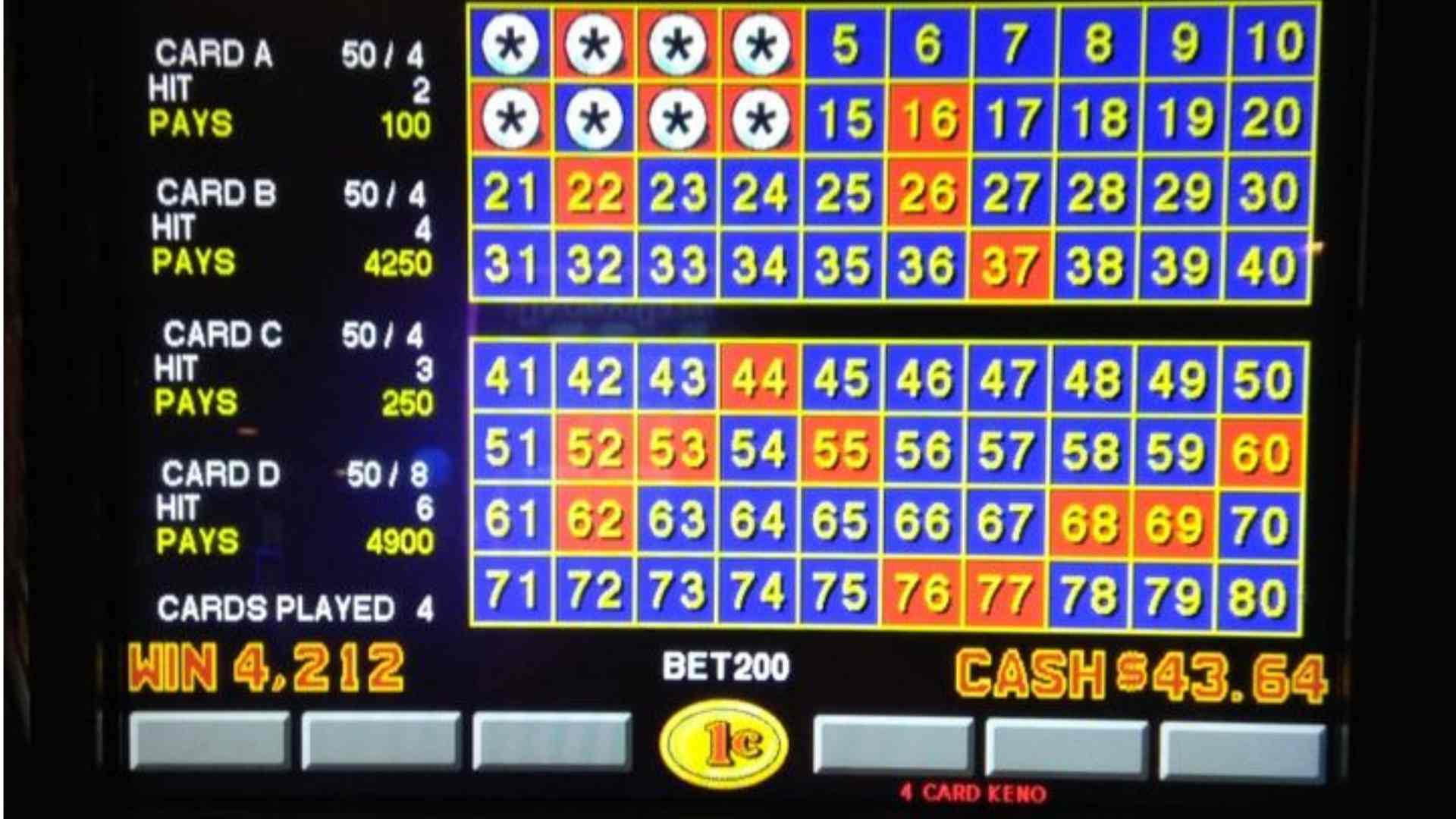
The traditional entertainment space has long relied on straightforward attraction models to engage audiences across various generations. From local festival midways to early mechanical amusement centers, the fundamental joy of winning a random reward remains a powerful human draw. However, the modern transition into digital software landscapes is completely altering how these established systems interact with contemporary players.
The Preservation of Foundational Design Principles
While technology continues to advance rapidly, the core physics and psychological triggers of early prize structures remain entirely untouched. Players still experience a universal sense of anticipation when watching an indicator move toward an unrevealed outcome or a hidden milestone. This baseline simplicity provides an essential emotional anchor that prevents modern users from feeling overwhelmed by complex digital frameworks.
Furthermore, maintaining these traditional mechanics ensures that older gameplay formats remain accessible to broad global demographics. Instead of forcing participants to memorize extensive rulebooks, creators leverage intuitive layouts that anyone can understand instantly. This careful balance between nostalgic design and predictable outcomes forms the perfect foundation for sustainable software engagement loops.
The Integration of Immersive Visual Enhancements
The introduction of high-definition processing enables software developers to turn basic mechanical movements into rich narrative events. Dynamic animations, particle physics, and shifting lighting profiles add layered dramatic tension to every single session. These automated graphical upgrades turn what used to be a static reveal into a multi-layered journey of discovery.
In addition to visual updates, synchronized audio design plays a vital role in keeping audiences highly focused on the progression of each round. Real-time audio cues react immediately to changing variables, building sensory hype right before a prize is officially secured. This immersive combination ensures that traditional concepts stay highly relevant for individuals accustomed to advanced video game engineering.
Elevating User Interaction through Programmatic Pacing
Digital environments offer unprecedented flexibility when it comes to customizing individual user progression paths over extended periods. Rather than offering a uniform speed, modern applications implement algorithmic pacing that naturally adapts to individual engagement preferences. This software innovation keeps sessions feeling dynamic and actively prevents gameplay from feeling repetitive or transactional.
Many prominent digital entertainment brands are adopting these interactive developments to breathe new life into standard operational frameworks. For example, popular platforms like m88 mansion rely heavily on modern design elements to optimize their casual entertainment suites and maximize player retention. These strategic technological enhancements help transition classic gaming architecture securely into the competitive digital era.
The Critical Role of Diverse Incentive Structures
Beyond cosmetic adjustments, the actual composition of modern rewards has shifted far away from binary win-or-lose scenarios. Developers now use complex software matrices that blend immediate multipliers, point accumulation pools, and interactive bonus rounds into a single experience. This diverse design structure ensures that every action yields tangible progress toward long-term digital achievements.
Providing transparent breakdown maps of potential outcomes also helps establish a secure layer of user trust and operational credibility. When participants see clear variance in prize categories, they feel motivated to explore different interactive features over multiple sessions. Ultimately, mixing classic mechanics with sophisticated digital systems guarantees that the core appeal of the random reveal remains universally entertaining.